
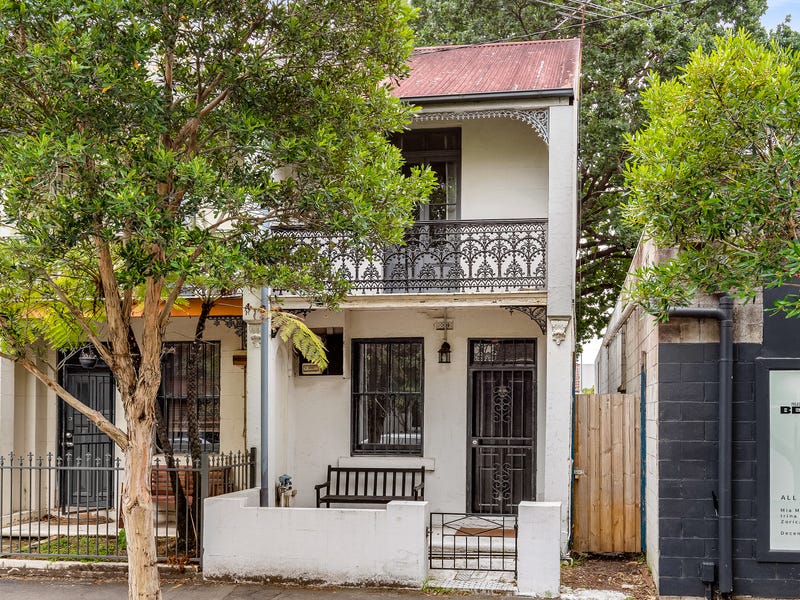

Urban regeneration is not merely about replacing old buildings or updating infrastructure. It’s a dynamic process that transforms neighbourhoods into vibrant, sustainable communities, and a Redfern buyers agent knows the details come down to both the macro trends and the intimate nuances of local growth. Understanding what drives these transformations can be crucial for both investors and future residents looking to secure the best opportunities in evolving cities.
Driven by innovation, sustainability, and community engagement, the urban regeneration sector is thriving. In Australia and beyond, areas like Redfern buyers agent exemplify how local insights and expert strategies meet global trends to create progressive, liveable urban spaces. Let’s explore the diverse components that define modern urban renewal, discussing growth statistics, community input, the smart integration of technology, and the direct impact these developments have on property markets.
Understanding the Urban Regeneration Landscape
Market Growth and Investment Opportunities
The global urban regeneration market is set to grow at an impressive compound annual growth rate (CAGR) of 8.2% over the next decade. With investors seeking stability coupled with growth prospects, urban regeneration stands out as a compelling industry sector. This momentum is driven by demand for modern, sustainable living environments combined with evolving planning principles.
Investors have turned their attention to areas where urban regeneration is not just a buzzword, but an active transformation process. In many cases, these areas are experiencing significant improvements in infrastructure, housing provisions, and business opportunities. For a Redfern buyers agent, the key lies in recognising local projects that parallel global trends, blending financial foresight with community needs.
Opportunities abound for those who are willing to engage early in development cycles. Well-planned regeneration projects attract private investment and public commitments that long-term investors, like those interested in the Redfern market, can capitalise on. The urban regeneration agenda offers a dual advantage: revitalising communities and securing financial returns.
Community Involvement and Social Impact
One of the critical insights modern buyers agents have is the need for early and continuous community involvement. Local residents and stakeholders offer unparalleled input that directs regeneration projects towards more inclusive and accessible outcomes. Community engagement during all phases of a development ensures that the transformation benefits both investors and residents.
This commitment to community feedback often leads to higher local approval ratings. When communities feel heard, projects tend to evolve into spaces that meet genuine local needs-ranging from improved transport links to accessible green areas and innovative public spaces. A hands-on approach to community involvement can ultimately reduce regulatory hurdles and build trust between developers and residents.
Social impact is another major consideration. A Redfern buyers agent will often look at how regeneration projects incorporate community values and cultural diversity. These projects encourage local participation in decision-making, ensuring that regeneration reflects the history and aspirations of the people living within the area.
Key Drivers of Urban Transformation
Sustainable Development and Green Infrastructure
The push for sustainability has reshaped how urban renewal is approached worldwide. Contemporary projects incorporate green infrastructure that not only beautifies a neighbourhood but also improves environmental performance. Incorporating plantings, energy-efficient buildings, and water management systems are all part of this drive to create an eco-friendly urban fabric.
Sustainability credentials now play a pivotal role in urban regeneration. Many modern developments, such as the Elephant and Castle project recently completed by Lendlease in London, combine housing, retail, and integrated green spaces to create well-rounded, liveable communities. Such projects set new benchmarks for mixed-use developments with high environmental standards.
In a market such as Redfern, future regeneration plans are expected to include sustainable elements that mirror these global examples. Buyers agents appreciate projects with robust sustainability commitments, knowing that green initiatives often contribute to higher property values and a reduced ecological footprint, benefitting both the economy and the environment.
Technological Advancements: The Role of Smart Cities
The integration of smart city technologies has become a staple in urban regeneration efforts. Advances in IoT, big data, and AI improve resource management and urban services, making cities more efficient and responsive to resident needs. Modern urban spaces increasingly rely on these technologies to monitor energy use, optimise transport logistics, and enhance public safety.
For a buyers agent, recognising the value of smart technology is essential. The incorporation of these systems not only underpins operational efficiencies but also attracts tech-savvy residents who prefer living in areas that are forward-thinking and sustainable. Smart city features elevate the appeal of an urban area, driving higher levels of investment.
In places like Redfern, where urban dynamics are already shifting, the adoption of smart technologies signals a commitment to innovation. Buyers agents can use this to their advantage, demonstrating how modern urban solutions meet both current needs and future challenges in an interconnected, urban economy.
Mixed-Use Developments and Live-Work-Play Environments
One of the biggest trends in urban regeneration is the rise of mixed-use developments. By combining residential, commercial, and recreational spaces, these projects create dynamic environments where residents can live, work, and play-all within close proximity. The configuration is designed to eliminate the need for long commutes, reducing traffic congestion and fostering a sense of community.
For a buyers agent advocating for a location like Redfern, mixed-use developments are particularly appealing. They offer versatility by meeting diverse lifestyle needs. Whether it’s the convenience of nearby job opportunities or the charm of local cafés and green spaces, mixed-use developments signify holistic urban growth.
The live-work-play model streamlines urban design. Projects that integrate such environments tend to be more resilient during economic fluctuations, providing a buffer against market downturns. In addition, they contribute to a healthier social fabric by creating spaces conducive to cultural exchange and community activity.
The Role of Policy and Regulation in Shaping Regeneration
Navigating Financial and Regulatory Barriers
Urban regeneration involves navigating a complex labyrinth of financial, regulatory, and environmental challenges. Researchers have highlighted these hurdles, which often require innovative solutions and multi-stakeholder collaboration to overcome. For buyers agents, understanding local planning codes, tax incentives, and zoning regulations is key to identifying solid investment opportunities.
Financial mechanisms such as grants, subsidies, and public-private partnerships play an important role in easing these challenges. An astute buyers agent in a bustling urban market like Redfern will be well-versed in recognising which developments benefit from favourable financial arrangements. This understanding provides a competitive edge in assessing the long-term viability of projects.
Regulatory foresight is just as crucial. With changing governmental priorities and urban policies in place to encourage sustainable growth, a buyers agent must consider how regulatory frameworks affect both development timelines and market stability. Ongoing policy reforms can directly impact the overall success of regeneration projects, adding another layer of complexity that requires thorough analysis.
Understanding Sustainable City Development Strategies
Recent systematic literature reviews on urban housing regeneration provide a detailed overview of best practices and strategic approaches in sustainable city development. These findings are essential for buyers agents looking to connect the dots between urban renewal and long-term community prosperity. By evaluating practical aspects such as financing and environmental management, agents can better predict future market trends.
These sustainable city strategies also underscore the importance of a forward-thinking vision. The urban development sector is evolving at a rapid pace, making it critical to adopt a holistic approach that mitigates environmental degradation while maximising social and economic benefits. In doing so, the regeneration process turns into a powerful catalyst for future-proofing neighbourhoods.
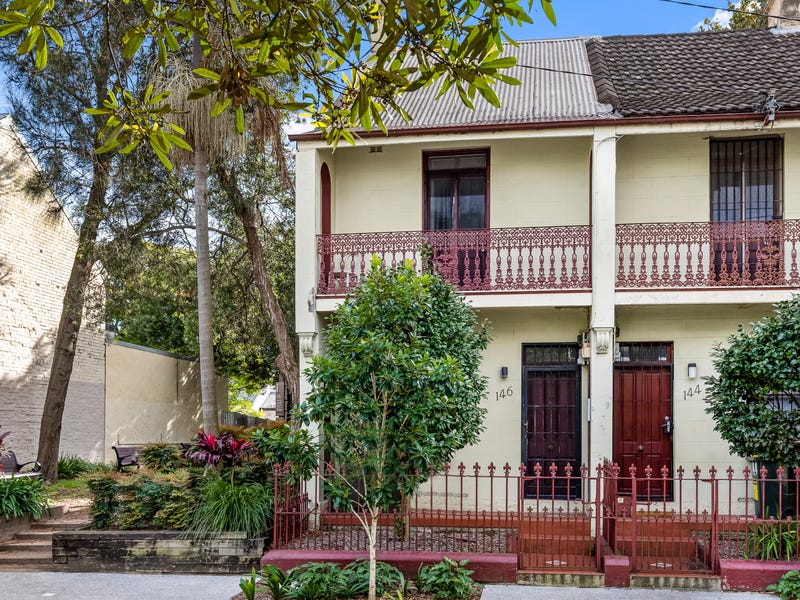
This well-rounded perspective allows buyers agents to advocate confidently for areas that blend heritage with innovation. In markets like Redfern, where vibrant culture meets modern urban planning, a balanced approach that addresses both community needs and regulatory requirements can be a game-changer for investors and residents alike. Click here to get about using a property buyers agent redfern to secure inner city assets
Case Studies and Real-World Examples
Elephant and Castle: Setting a Global Benchmark
The recent regeneration of Elephant and Castle in London is a prime example of what modern urban renewal can achieve. Completed by Lendlease, this project features over 3,000 new homes alongside retail spaces and integrated green infrastructure. The development stands as a testament to the power of mixed-use planning and community-focused design.
By combining housing with commercial and leisure spaces, the Elephant and Castle project has redefined urban living standards. It embraces sustainability while remaining conscious of social inclusivity, demonstrating that large-scale urban regeneration does not have to come at the cost of community spirit and accessibility.
For a Redfern buyers agent, the project offers a clear illustration of how forward-thinking urban planning works in practice. It provides tangible evidence that well-executed regeneration projects can elevate urban areas and provide enhanced investment opportunities. Such examples encourage forward-thinking investors to consider how similar strategies might be deployed locally.
Regeneration Strategies in Greyfield Suburbia
Another approach to urban regeneration comes from transforming greyfield suburbia, particularly in low-density, car-dependent areas. In Australia, studies show that applying urban transition frameworks to these neighbourhoods can turn underutilised spaces into productive, resilient, and livable urban zones. This shift is particularly appealing in a market where decentralisation is becoming a viable strategy.
These projects focus on repurposing existing structures to provide mixed-use developments informed by local needs. They address issues like underused infrastructure and the lack of community amenities. A Redfern buyers agent fully appreciates this approach, knowing that tapping into potential hidden within existing suburbs can yield significant returns.
Practical challenges such as re-zoning, upgrading outdated infrastructure, and fostering public-private partnerships are managed through collaboration. Transforming greyfield areas creates vibrant, inclusive environments that not only boost property values but also contribute to a more sustainable urban fabric. This offers valuable lessons for regeneration strategies in denser, rapidly evolving environments.
Integrating Global Trends with Local Realities
Urbanisation and the Changing Demographics
Globally, urbanisation is on an upward trajectory. Over half of the world’s population now lives in cities, and projections suggest that nearly 70% will be urban dwellers by 2050. This dramatic shift places unprecedented pressure on existing infrastructure and housing markets, compelling cities to evolve quickly. Local markets, including Redfern, are inexorably influenced by these sweeping demographic changes.
Understanding this trend is crucial for buyers agents. Areas that embrace growth while retaining a unique local identity stand to benefit the most. A comprehensive urban regeneration strategy must not only accommodate increasing density but also enhance quality of life, exemplifying the principles of sustainable growth. Demographic trends thus serve as both a challenge and an opportunity for modern urban development.
The dynamic nature of urbanisation demands adaptive planning. It is essential for regeneration projects to be flexible enough to respond to population growth and shifting community needs. A Redfern buyers agent can leverage this knowledge to identify properties and developments that are well-positioned to benefit from the predicted urban upsurge, aligning local projects with global demands.
Smart Cities and Data-Driven Urban Management
The rapid advancement of technology has paved the way for urban centres to evolve into smart cities. By utilising data analytics and interconnected systems, modern urban management solutions project a future where cities are more efficient, responsive, and sustainable. Such developments promise higher quality urban life for residents while reducing operational costs for municipalities.
For buyers agents, the increasing presence of smart technologies offers reassurance regarding future infrastructure investments. Data-driven urban management systems provide valuable insights into energy consumption, traffic patterns, and waste management, ensuring that city services are optimised to meet both current and future demands.
This technological evolution benefits buyers in areas like Redfern, where emerging developments often integrate futuristic systems. By staying informed on developments within smart infrastructure, buyers agents can advise investors on long-term value propositions, ensuring that investments not only meet present needs but also remain resilient in the face of evolving urban challenges.
The Future of Urban Regeneration
Economic Recovery and Investment Potential
Urban regeneration emerges as a powerful tool for economic recovery, especially as cities continue to rebound after periods of downturn. By revitalising areas that have fallen into neglect, investments in urban regeneration stimulate local economies and create jobs. In many respects, these projects serve as a linchpin for regional growth.
The investment potential stems from the realisation that a well-executed regeneration project does much more than beautify an area-it creates a thriving ecosystem. Enhanced infrastructure, modern amenities, and vibrant public spaces contribute to boosting investor confidence, attracting both local and international capital. A buyers agent in Redfern understands the importance of recognising early signals that indicate robust economic recovery through regeneration.
Economic recovery in urban areas is closely linked to the rising trend of sustainable development. When initiatives comply with environmental regulations and meet the needs of a diverse population, the overall stability and attractiveness of the region improve. It’s a potent reminder that, in the urban regeneration equation, both economic and social factors drive long-term success.
Community-Led Initiatives and Enhanced Quality of Life
The human element in urban regeneration remains as critical as the architectural and economic components. Community-led initiatives ensure that responsive designs reflect local character. In areas experiencing major regeneration efforts, residents play an active role in shaping projects that improve the quality of life by prioritising accessibility, safety, and cultural relevance.
Investors recognise that projects with strong community backing tend to maintain higher long-term value. A collaborative approach results in developments that stay true to the local spirit, ensuring that high-rise buildings or trendy commercial centres do not alienate the community. Instead, they create a harmonious blend of old and new, influencing local lifestyle positively.
Quality of life is a multifaceted concept that covers everything from ambient aesthetics to practicality. Buyers agents value projects that enhance community well-being, knowing that such initiatives contribute to property stability and sustained growth over time. Urban regeneration, when led by community needs, becomes an engine for building inclusive, resilient urban centres.
Local Insights and the Redfern Edge
Why Redfern Remains a Focal Point for Urban Renewal
Redfern is more than just a geographical location; it’s a community with a distinct vibrancy and a history of transformation. Historically, the suburb has been a melting pot of cultures and ideas-a breeding ground for creative regeneration strategies. The blend of cultural heritage with contemporary developments makes Redfern a magnet for buyers agents who understand the value of local identity.
Local insights are key when investing in an ever-changing urban landscape. A Redfern buyers agent uses deep knowledge of the area to predict where new infrastructure and community-led projects are likely to emerge, ensuring that buyers can enter the market with confidence and clarity. The suburb’s evolution mirrors global trends while embracing its unique character, making it a microcosm of modern urban regeneration.
Redfern’s proactive stance on sustainability, cultural preservation, and technological innovation is a testament to its forward-thinking approach. These features, widely celebrated by local residents and investors alike, provide a dynamic backdrop to urban regeneration. By aligning local projects with the global momentum of urban renewal, Redfern continues to attract investment focused on long-term community enrichment.
Connecting Global Trends with Local Property Decisions
Property decisions in Redfern are increasingly influenced by both worldwide trends and local nuances. A seasoned buyers agent is well aware that international developments-such as the shift towards smart, sustainable cities and mixed-use planning-are paralleled by on-the-ground initiatives in vibrant urban areas.
Ultimately, the merging of global trends with distinct neighbourhood characteristics creates a rich tapestry of opportunities. When the broader market dynamics meet local demand, investors are awarded projects that offer both modernity and a comforting sense of community. The beauty lies in the synergy between visionary planning and grounded, community-led development-a balance that achieves economic and social regeneration concurrently.
Such an approach not only secures viable property investments in Redfern but also contributes to a stronger, more resilient urban fabric. Buyers agents armed with this perspective can confidently guide investors by matching the region’s unique charm with the best practices inspired by global trends.
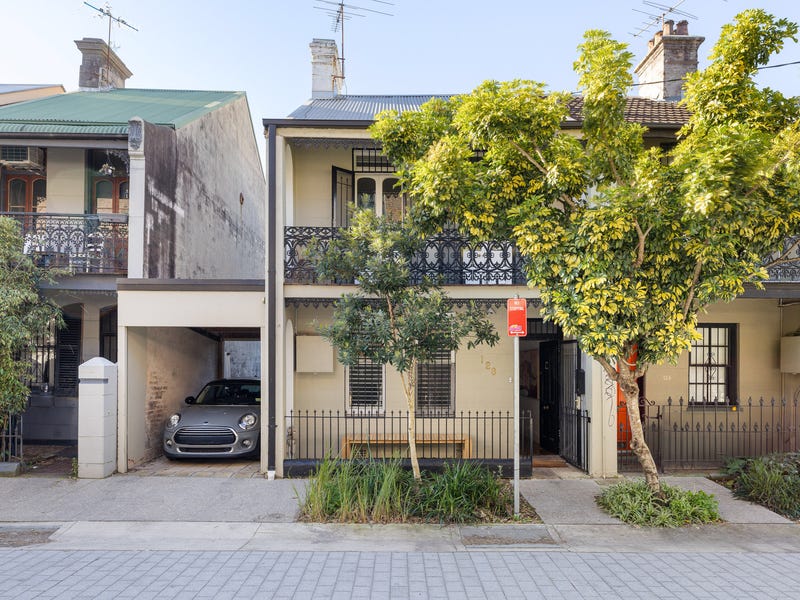
Conclusion: Embracing the Future of Urban Regeneration
Opportunities Beyond Conventional Real Estate
The urban regeneration landscape is brimming with opportunities that extend well beyond conventional real estate transactions. It is an intricate balance of sustainability, technology, community empowerment, and regulatory insight. For a buyers agent in Redfern, recognising these elements is key to navigating the complexities of an evolving property market.
Investors who grasp the full spectrum of urban regeneration-its challenges and its immense potential-can position themselves ahead of market shifts. Embracing sustainability, leveraging smart technologies, and endorsing community-led initiatives not only enhances property valuations but also fosters vibrant urban ecosystems.
There is a definitive synergy between local success stories and broader global trends. With urban regeneration at the helm, neighbourhoods like Redfern are evolving into centres of innovation, cultural dynamism, and sustainable growth, paving the way for future property opportunities.
Strategic Guidance for Future Investments
Forward-thinking buyers agents combine rigorous local research with insights derived from global trends to identify hidden gems in urban renewal. This depth of understanding aids in making strategic decisions, ensuring that investments are not just safe bets today, but secure enduring value over time.